The TP-Link Archer AXE75 is a tri-band Wi-Fi 6E router built around a dedicated 6 GHz band, a useful fit for homes adding newer devices and juggling several streams or games.
This tp link axe5400 review looks at what its band mix, mesh support, and network tools offer—and where its design may not suit every setup.
Archer AXE75 Review Summary
The quick verdict
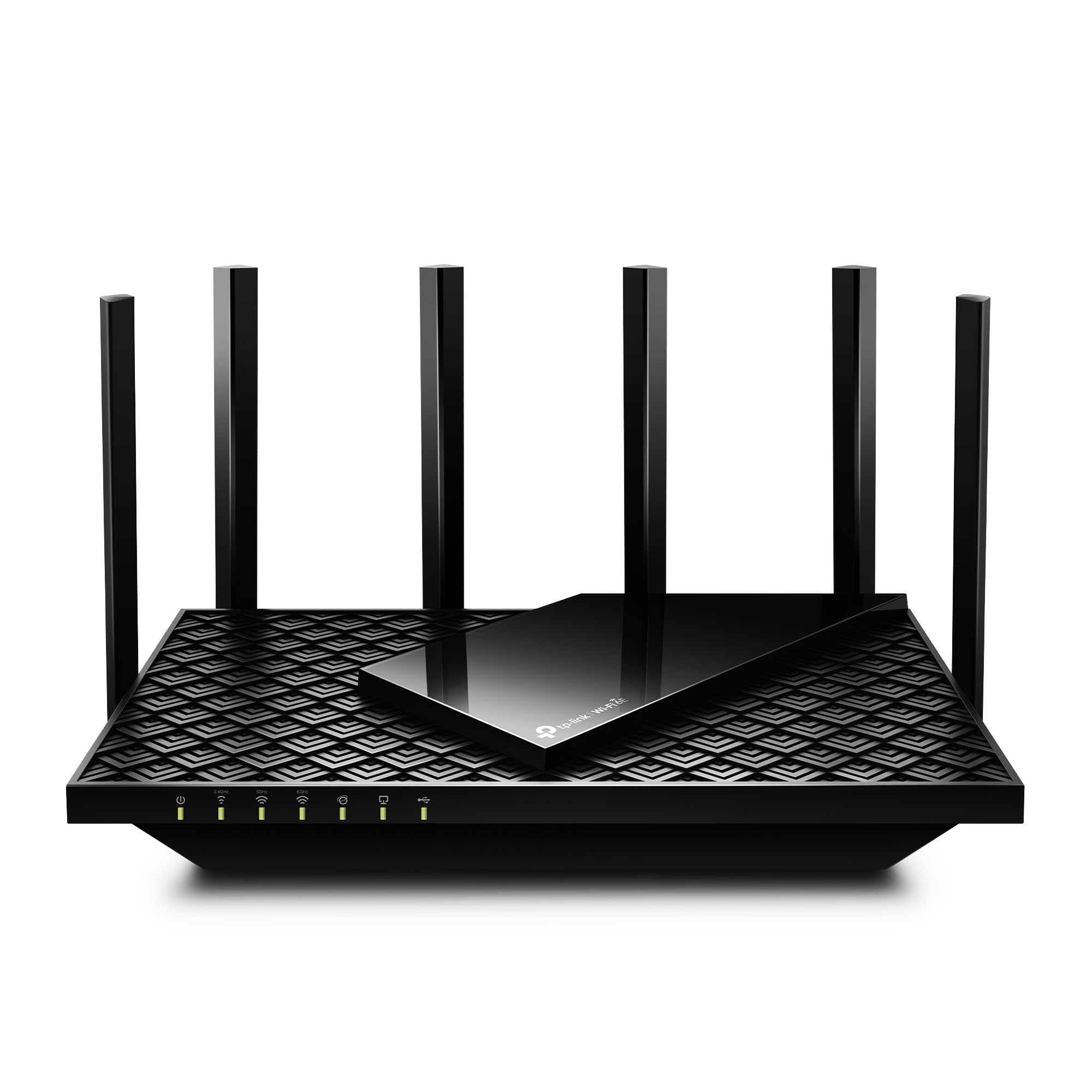
5,000+ ratings
Read Amazon ReviewsTP-Link Archer AXE75
A tri-band Wi-Fi 6E router for households with compatible 6 GHz devices, multiple simultaneous users, and VPN needs.
- Tri-band Wi-Fi 6E with a combined advertised rate of up to 5,400 Mbps: up to 2,402 Mbps on 6 GHz, 2,402 Mbps on 5 GHz, and 574 Mbps on 2.4 GHz.
- OFDMA and tri-band operation are designed to increase capacity for simultaneous transmission to multiple devices.
- A 1.0 GHz dual-core CPU and 512 MB of high-speed memory support the router's processing needs.
- OneMesh compatibility allows pairing with a TP-Link OneMesh extender to create a mesh network.

Pros
- Dedicated 6 GHz access gives compatible Wi-Fi 6E devices another band to use.
- Three bands and OFDMA address households with several devices competing for wireless capacity.
Consider before buying
- The 6 GHz band only benefits devices that support it, so its value depends on the devices already in the home.
- The combined up-to-5,400 Mbps figure is not a per-device speed guarantee; actual results depend on the connection, devices, distance, and surroundings.
Read the full review summary
The AXE75 combines three wireless bands with OFDMA, a 1.0 GHz dual-core CPU, and 512 MB of memory.
Its advertised aggregate Wi-Fi rate is up to 5,400 Mbps across the bands; that figure describes combined theoretical band capacity, not the speed one device should expect.
The 6 GHz band can give compatible devices access to additional wireless bandwidth, while older devices can continue using 5 GHz or 2.4 GHz.
This router is most compelling for households that have Wi-Fi 6E devices, want to spread traffic across bands, or value VPN client and server support. OneMesh compatibility offers an expansion path with a compatible TP-Link extender.
Before buying, check whether your devices support 6 GHz and whether your internet plan, modem, home layout, and any wired equipment align with the router's capabilities.
The buying factors
Archer AXE75 Scorecard
Editorial scores reflect listed features and buyer fit; they are not laboratory measurements or customer ratings.
Band flexibility
Three bands, including 6 GHz, give compatible devices another option for wireless connections.
Multi-device features
OFDMA and tri-band operation are designed to support simultaneous transmission to more devices.
Expansion options
OneMesh support provides a way to build coverage with a compatible TP-Link extender.
Network controls
VPN client and server support, HomeShield features, parental controls, and QoS cover useful home-network tasks.
Hardware foundation
A dual-core 1.0 GHz CPU and 512 MB memory provide a clear hardware specification, though the data does not establish real-world throughput.
Upgrade flexibility
The supplied details highlight Wi-Fi capability and VPN features but do not establish a broader multi-gig wired setup.
Key Features and Specifications of Archer AXE75
- Tri-band Wi-Fi 6E with a combined advertised rate of up to 5,400 Mbps: up to 2,402 Mbps on 6 GHz, 2,402 Mbps on 5 GHz, and 574 Mbps on 2.4 GHz.
- OFDMA and tri-band operation are designed to increase capacity for simultaneous transmission to multiple devices.
- A 1.0 GHz dual-core CPU and 512 MB of high-speed memory support the router's processing needs.
- OneMesh compatibility allows pairing with a TP-Link OneMesh extender to create a mesh network.
- VPN client and server support includes OpenVPN, PPTP, and L2TP.
- HomeShield includes basic network security features, IoT device identification, basic parental controls, QoS, and weekly or monthly reports.
Pros and Cons of Archer AXE75
Pros
- Dedicated 6 GHz access gives compatible Wi-Fi 6E devices another band to use.
- Three bands and OFDMA address households with several devices competing for wireless capacity.
- VPN client and server functions add flexibility for network-wide or remote-access setups.
- OneMesh support offers a compatible extender-based route to broader home coverage.
Consider before buying
- The 6 GHz band only benefits devices that support it, so its value depends on the devices already in the home.
- The combined up-to-5,400 Mbps figure is not a per-device speed guarantee; actual results depend on the connection, devices, distance, and surroundings.
- Most internet providers require a separate modem, which buyers may need to supply.
Who Should Buy Archer AXE75?
Good fit
Consider the Archer AXE75 if you have Wi-Fi 6E phones, laptops, or other devices and want a router with a separate 6 GHz band alongside 5 GHz and 2.4 GHz.
The band choice and OFDMA are relevant when several people are online at once, though they cannot guarantee a particular speed or eliminate congestion in every home.
It also makes sense for buyers who will use VPN features, basic parental controls, QoS, or network reports, and who may extend coverage using a compatible OneMesh extender.
Before choosing, check your internet plan and modem arrangement, count the devices that need wired connections, and confirm that the wireless clients you care about can use 6 GHz.
Who should skip it
Skip this model if your main reason for upgrading is access to 6 GHz but none of your important devices support Wi-Fi 6E; the extra band may offer little practical value in that setup.
Look elsewhere if your decision depends on a particular wired-port configuration, a guaranteed coverage area, or specific advanced security controls. Confirm those requirements against the router's full specifications before buying.
TP-Link Archer AXE75: What the Wi-Fi 6E Design Means
The 6 GHz band depends on your devices
The AXE75's defining feature is its 6 GHz band, which shares the advertised wireless capacity with 5 GHz and 2.4 GHz.
It is most relevant when your phones, computers, or other clients support Wi-Fi 6E; compatible devices can use that band while older equipment remains on the other bands.
Check the Wi-Fi specifications of your key devices before treating 6 GHz as a reason to upgrade.
Combined speed figures need context
The up-to-5,400 Mbps figure adds the listed maximum rates for all three bands. It is not a promise that a single download or device will reach that number.
Internet-plan speed, client hardware, distance, walls, interference, and how devices share airtime all affect the experience, so judge the router by its feature fit as well as its headline rate.
Mesh support is an expansion path
OneMesh support lets the AXE75 work with a compatible TP-Link extender to form a mesh network.
This is useful if one router does not suit the shape of your home, but the supplied details do not give a coverage-area estimate.
Consider the locations where connections are weak and check extender compatibility before planning an expansion.
VPN and HomeShield tools add control
VPN client and server support can accommodate different home-network needs, including connecting the router to a VPN service or enabling remote VPN access. HomeShield's listed free tools include basic security scanning, IoT identification, parental controls, QoS, and reports.
If a particular parental-control or security function is essential, confirm that it is included in the tier and configuration you plan to use.
Alternatives to Archer AXE75
Computer Routers alternative
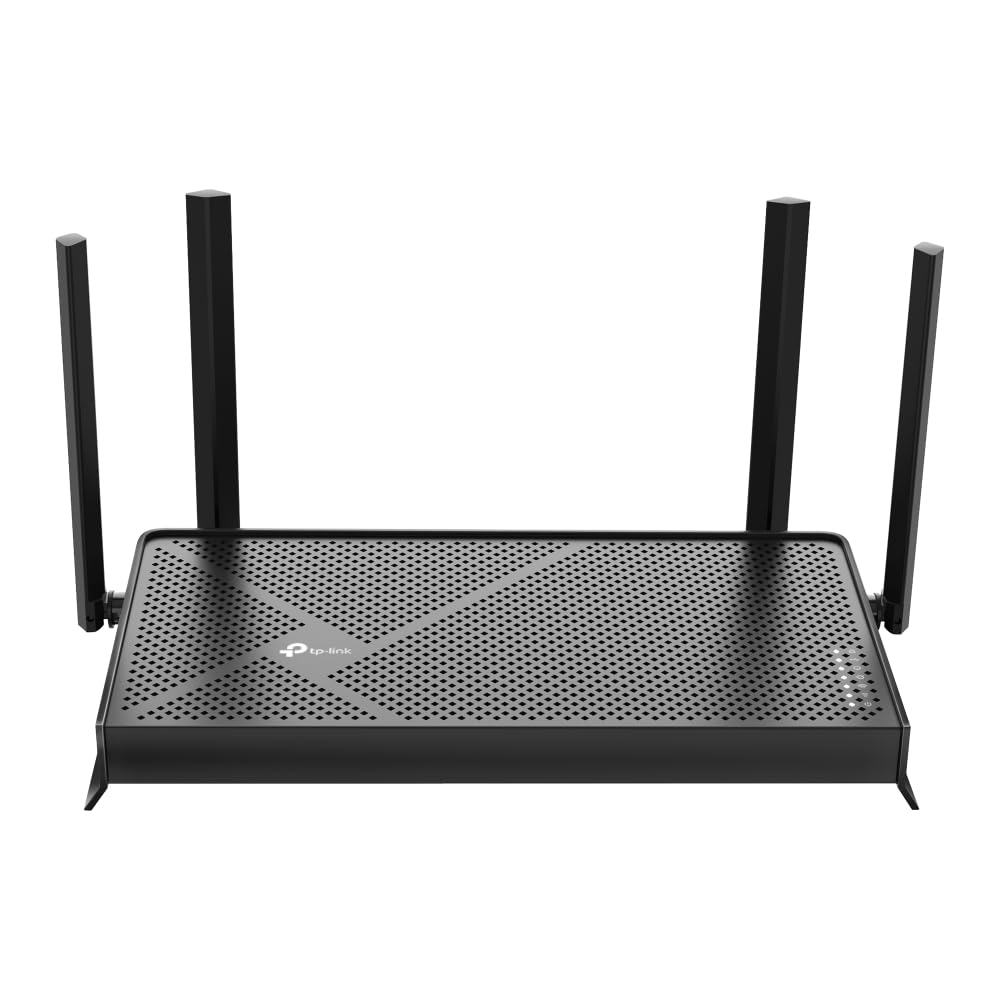
1,000+ ratings
Read Amazon ReviewsTP-Link Archer BE230
Choose the AXE75 if access to a 6 GHz band matters for your compatible devices.
Consider the BE230 if you prefer its Wi-Fi 7 feature set and the specified 2.5 Gbps wired ports, and you do not need 6 GHz.
- The Archer BE230 is a dual-band Wi-Fi 7 router with no 6 GHz support.
- Its listed features include up to 2,882 Mbps on 5 GHz, one 2.5 Gbps WAN/LAN port, one 2.5 Gbps LAN port, and three 1 Gbps LAN ports.
- The Archer AXE75 has three bands, including a 6 GHz band, with listed rates of up to 2,402 Mbps on 6 GHz and 2,402 Mbps on 5 GHz.
Computer Routers alternative
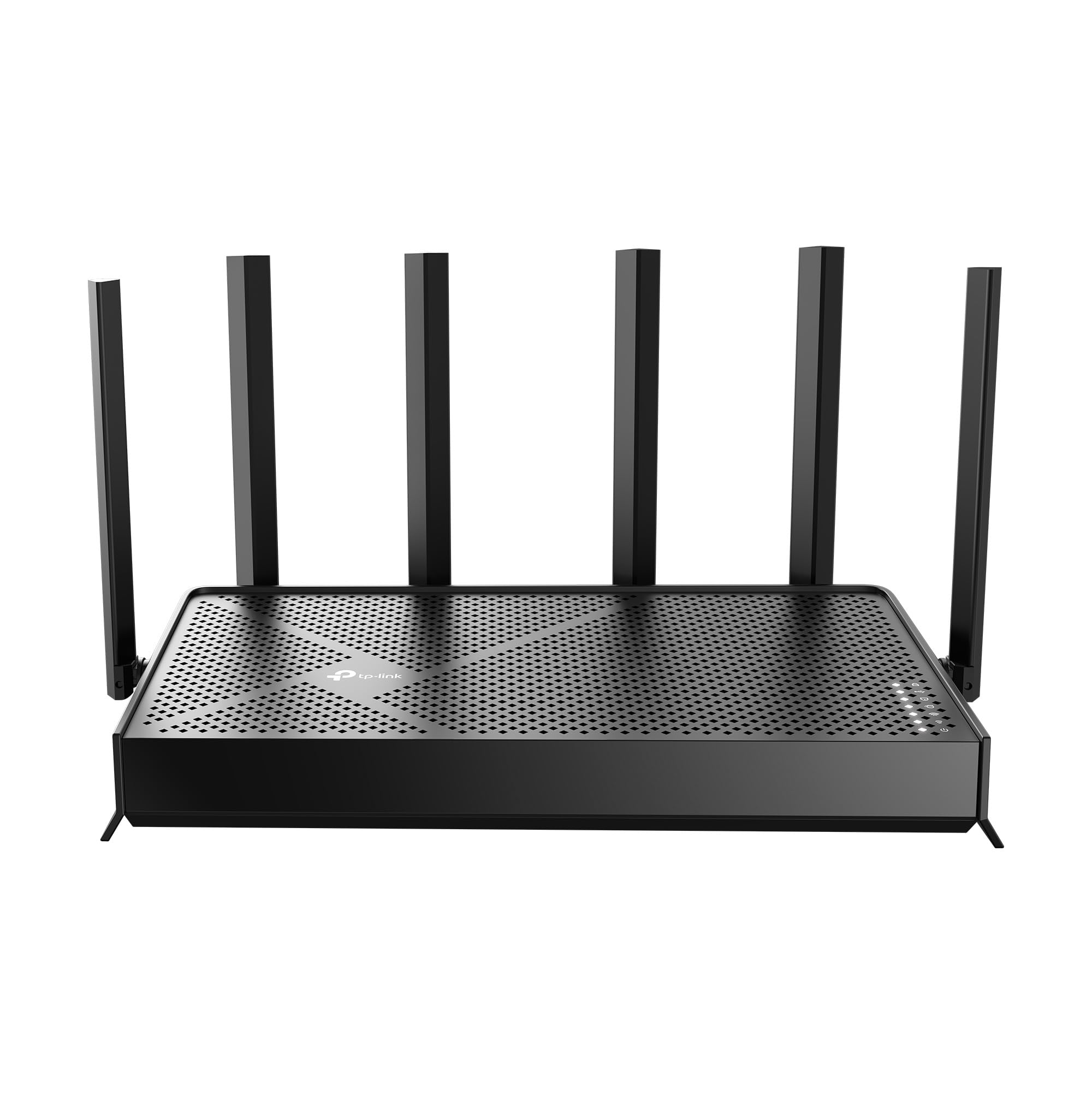
600+ ratings
Read Amazon ReviewsTP-Link Archer BE600
Consider the BE600 if you want Wi-Fi 7, higher listed band rates, and several multi-gig wired ports. The AXE75 is a more fitting option if Wi-Fi 6E meets your needs and you value its stated OneMesh extender compatibility.
- The Archer BE600 is a tri-band Wi-Fi 7 router with a 10 Gbps WAN/LAN port, a 2.5 Gbps WAN/LAN port, and three 2.5 Gbps LAN ports.
- Its stated maximum rates reach 5,765 Mbps on 6 GHz, 2,882 Mbps on 5 GHz, and 1,032 Mbps on 2.4 GHz.
- The Archer AXE75 offers Wi-Fi 6E across three bands and supports OneMesh with a compatible extender.
Is Archer AXE75 Worth It?
The TP-Link Archer AXE75 is worth considering if your home has Wi-Fi 6E devices and you want tri-band networking, VPN support, and a potential OneMesh expansion path.
Its strongest fit is a device mix that can make use of 6 GHz and benefit from distributing traffic across bands.
Buy after checking client compatibility, modem requirements, and wired-port needs. If those line up, the AXE75 offers a useful range of home-network features; if you need different wireless or wired capabilities, compare models against those requirements first.
Your review at a glance
5,000+ ratings
Read Amazon ReviewsTP-Link Archer AXE75
A tri-band Wi-Fi 6E router for households with compatible 6 GHz devices, multiple simultaneous users, and VPN needs.
- Tri-band Wi-Fi 6E with a combined advertised rate of up to 5,400 Mbps: up to 2,402 Mbps on 6 GHz, 2,402 Mbps on 5 GHz, and 574 Mbps on 2.4 GHz.
- OFDMA and tri-band operation are designed to increase capacity for simultaneous transmission to multiple devices.
- A 1.0 GHz dual-core CPU and 512 MB of high-speed memory support the router's processing needs.
- OneMesh compatibility allows pairing with a TP-Link OneMesh extender to create a mesh network.